Drawers vs Shelves: Why Modern Kitchens and Closets are Changing
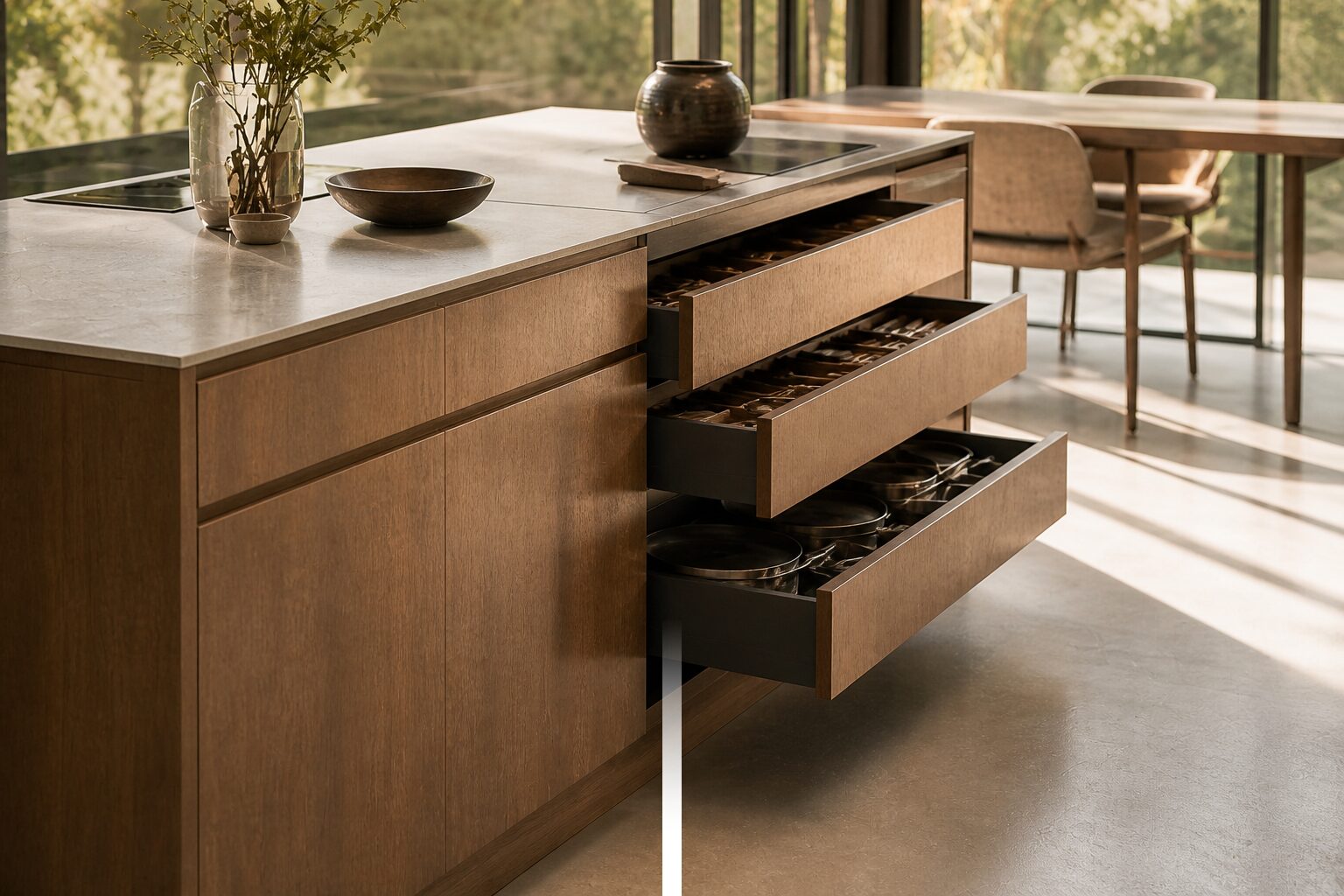
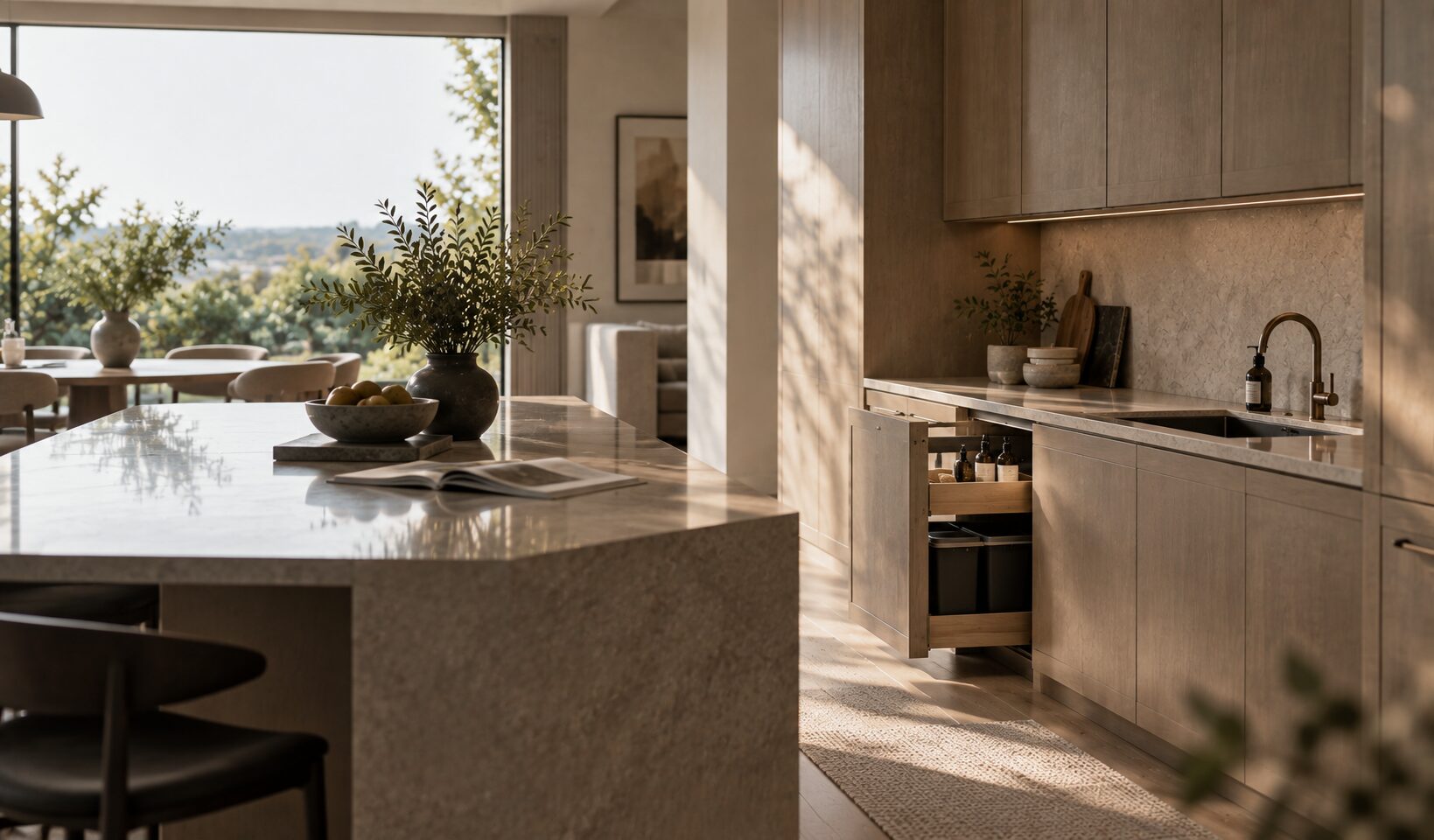
Modern kitchens and closets are moving beyond deep shelves and hidden storage. Drawer-forward design brings everyday items into view, making storage easier to see, reach, and use.
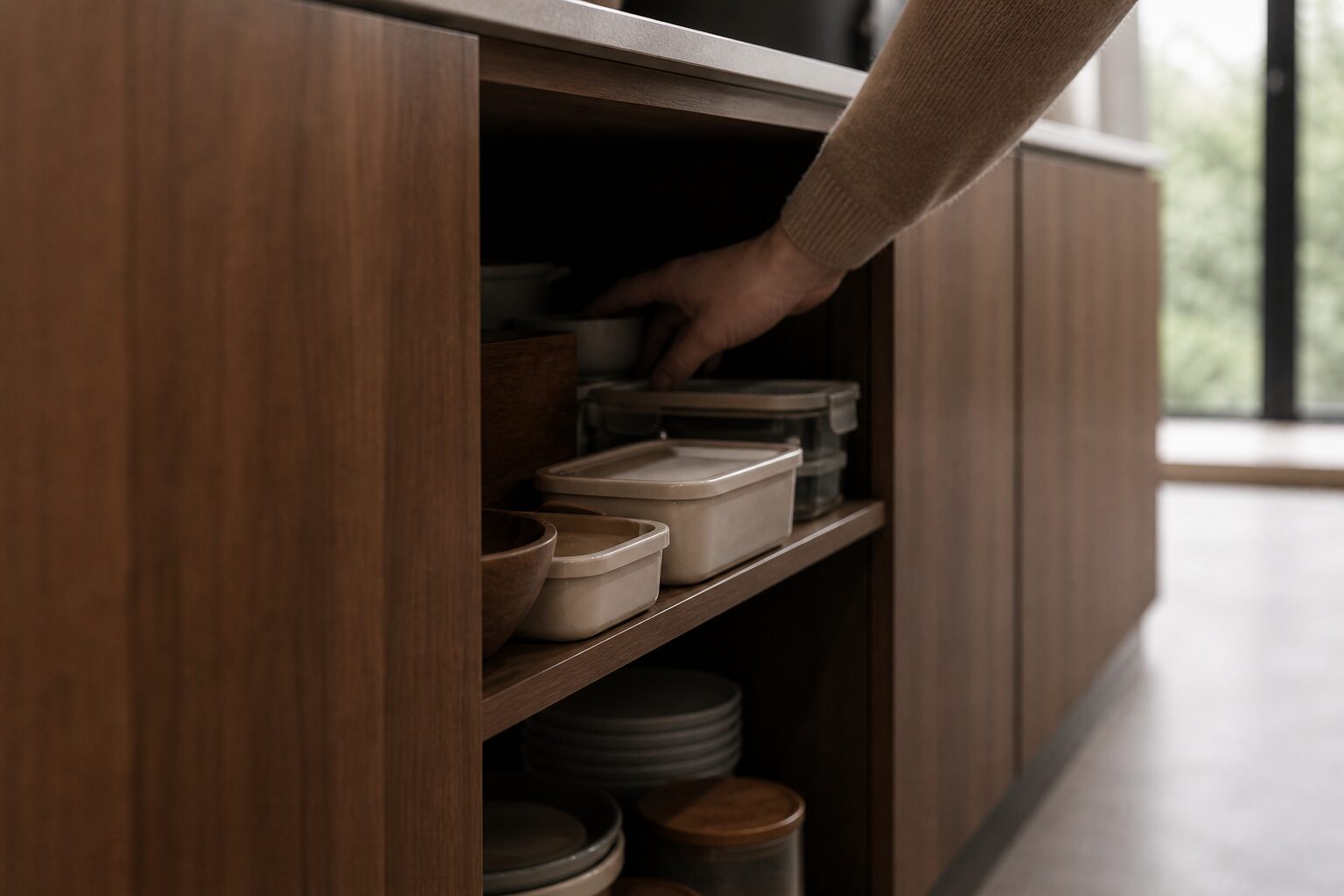
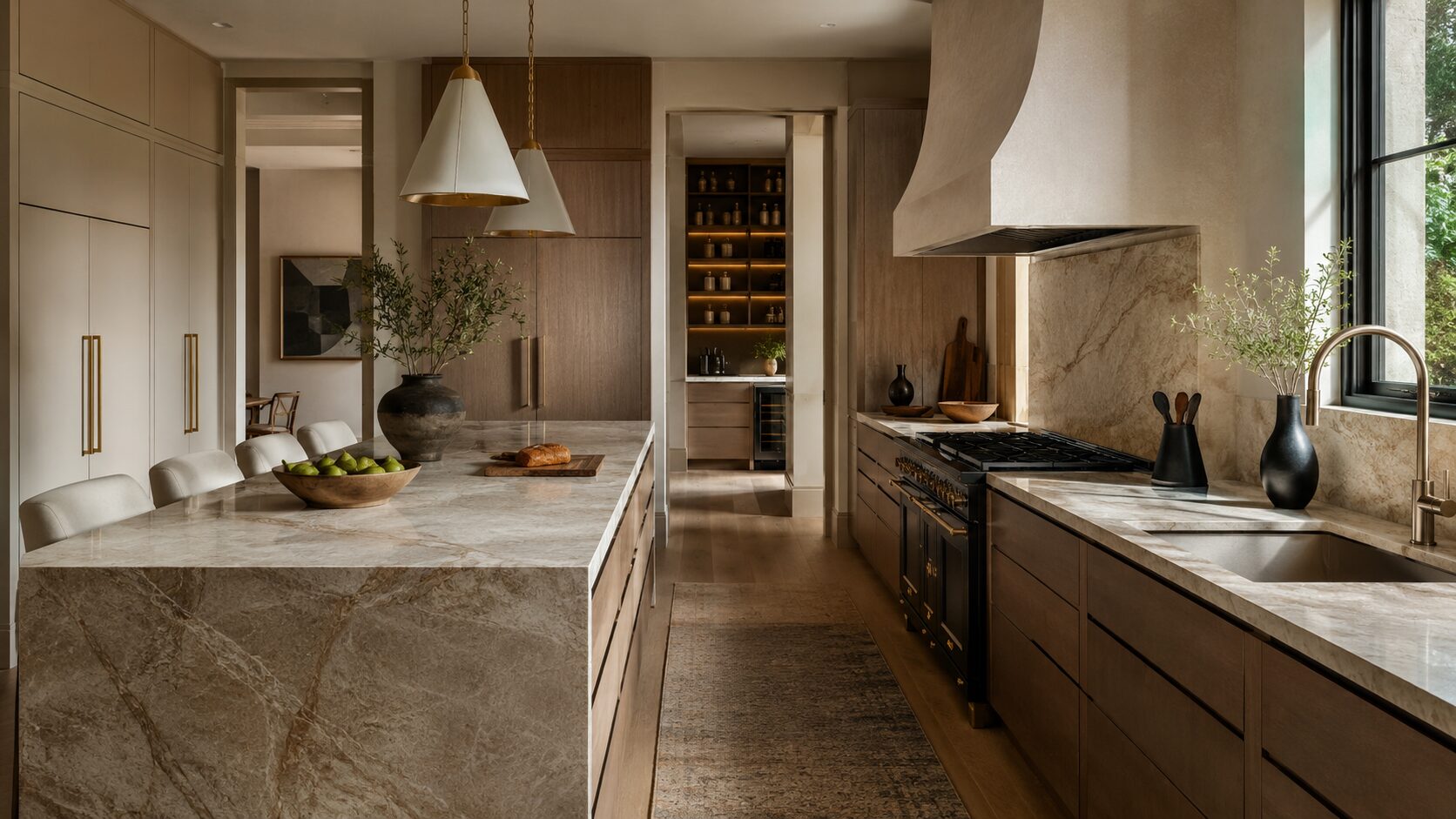
Most kitchens still rely on deep cabinets and hidden storage. You open a door, reach in, and hope what you need isn’t buried in the back.
It works. But it’s slow, inefficient, and increasingly out of sync with how people actually live.
Today, storage is shifting from how much you can fit to how easily you can access it.
Drawers vs Shelves: From Storage Capacity to Everyday Access
Drawer-forward design isn’t about adding more storage. It’s about removing friction from how storage works.
Three shifts are driving this change:
Visibility over capacity
If you can’t see it, you don’t use it.
Better ergonomics
No more bending or digging through layers.
Speed of use
Everything is designed to move with you
This is why drawers are no longer an upgrade. They’re becoming the default.
Why Deep Shelves Feel Harder to Use Than Drawers
Hidden in the back
Stacked and hard to reach
Easy to forget
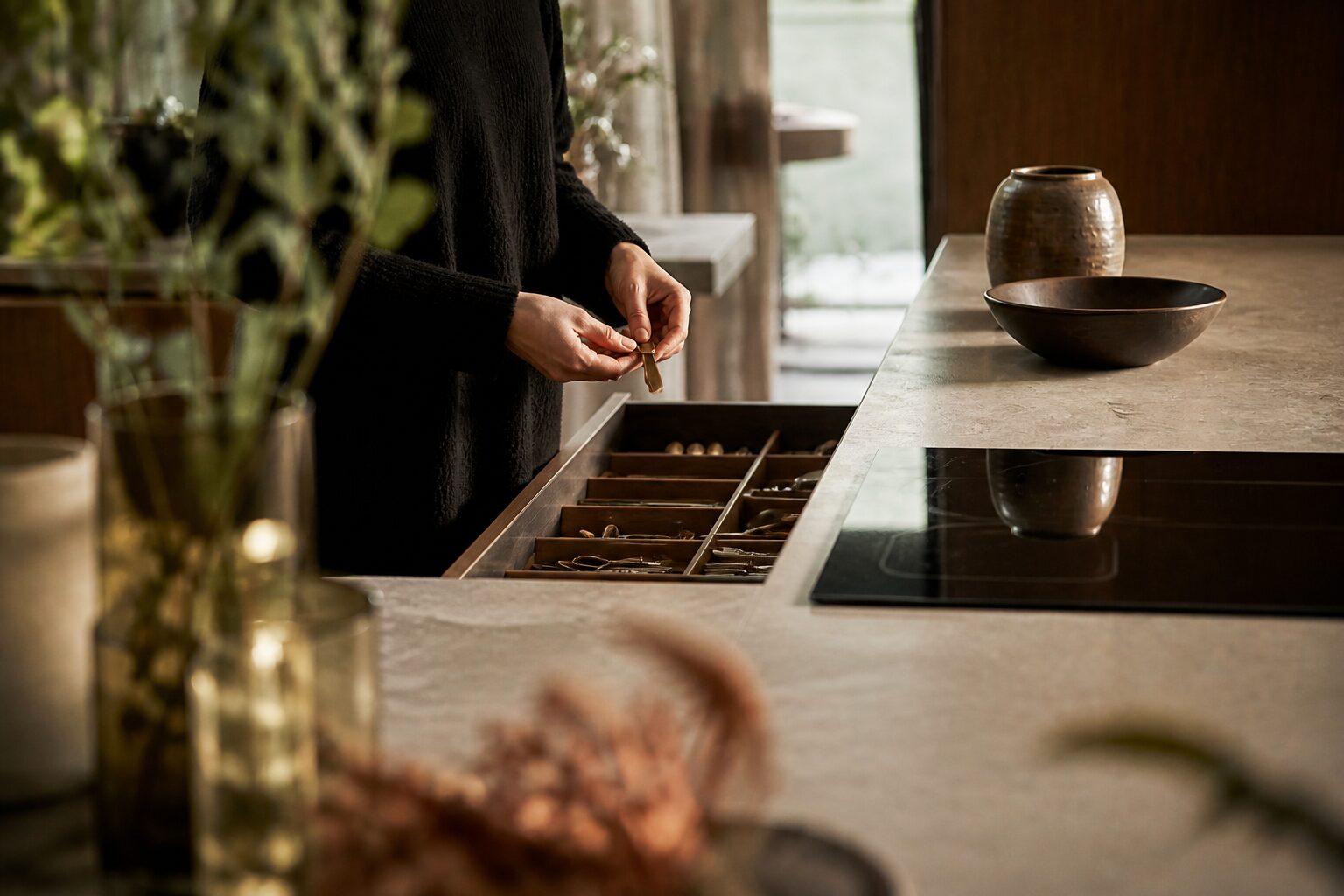
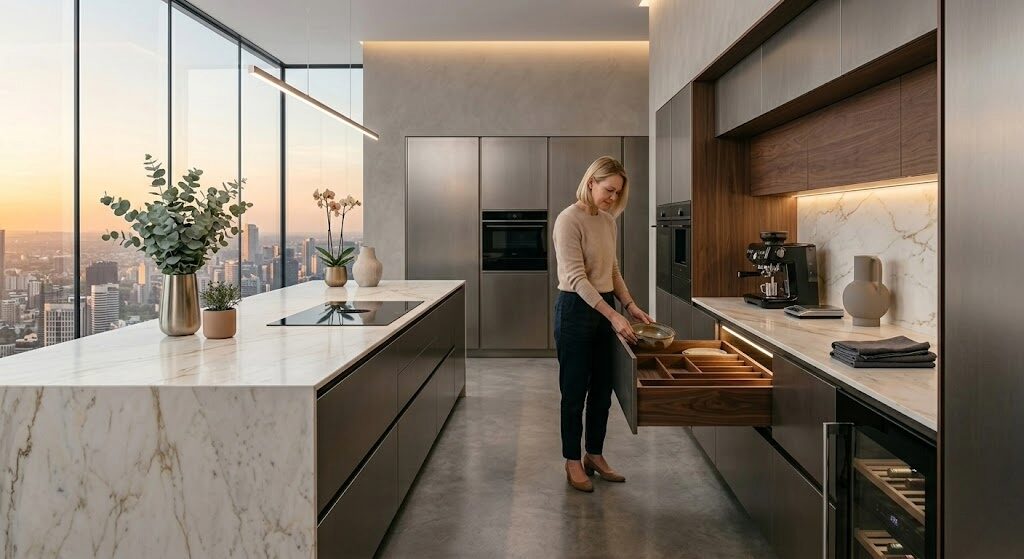
Everything visible
One pull access
Easy to maintain
It’s not about storing more. It’s about accessing better.
From Kitchen Drawers to Closet Storage: The Same Logic Applies
This shift didn’t start in closets.
It started in the kitchen.
Kitchens were the first space where efficiency mattered, where every movement had a purpose.
Now that same thinking is moving into closets.
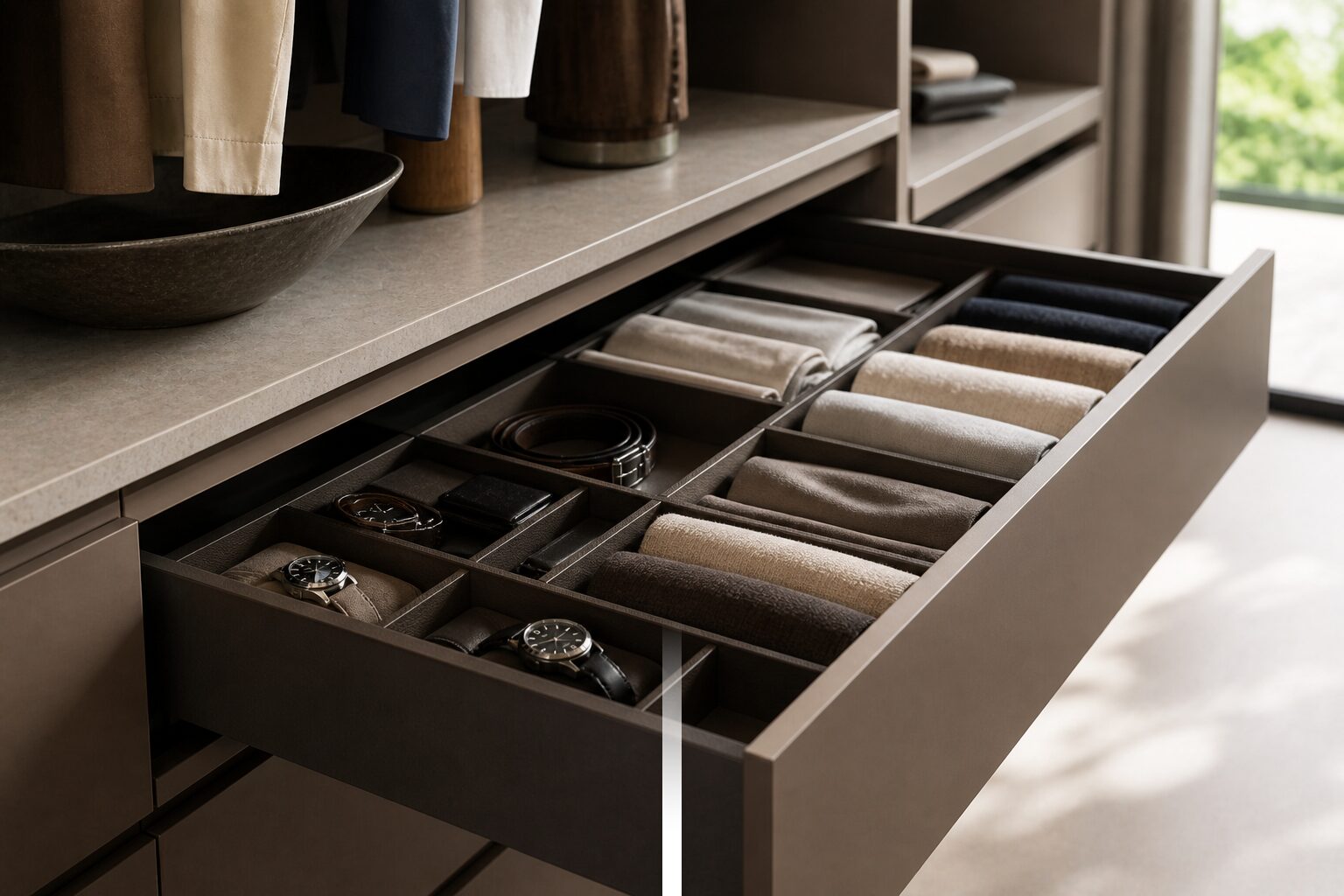
Instead of stacked shelves, we’re seeing:
layered drawers
divided compartments
systems designed for quick access
The kitchen solved access first. The closet is catching up.
What Drawer-Forward Design Looks Like in Everyday Storage
Drawer-forward design isn’t just about adding more drawers.
It’s about changing how space is structured—and how it’s used every day.
Instead of a single deep cabinet, storage is broken into layers.
Each layer is designed with a specific purpose in mind.
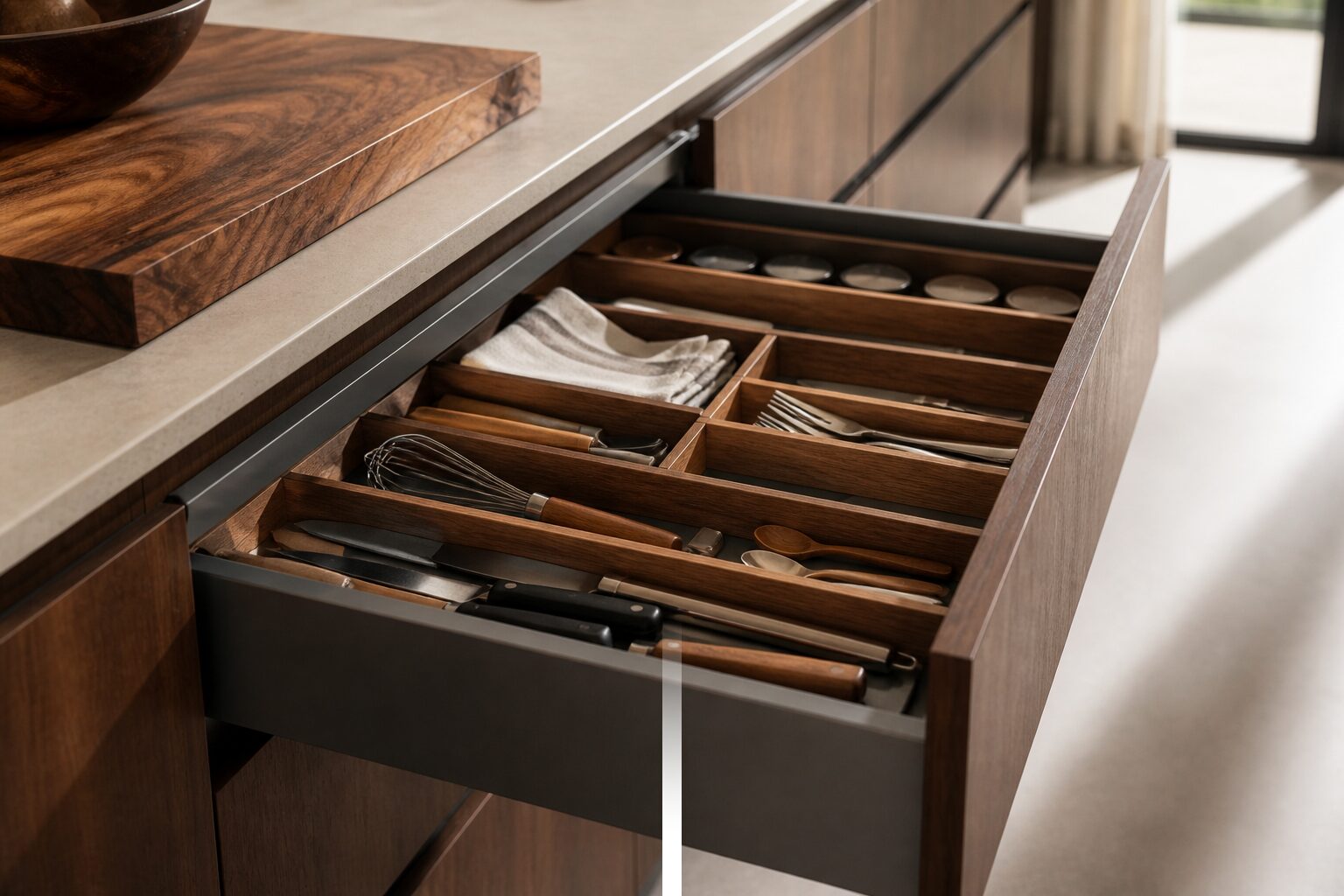
Multiple shallow drawers instead of one deep space
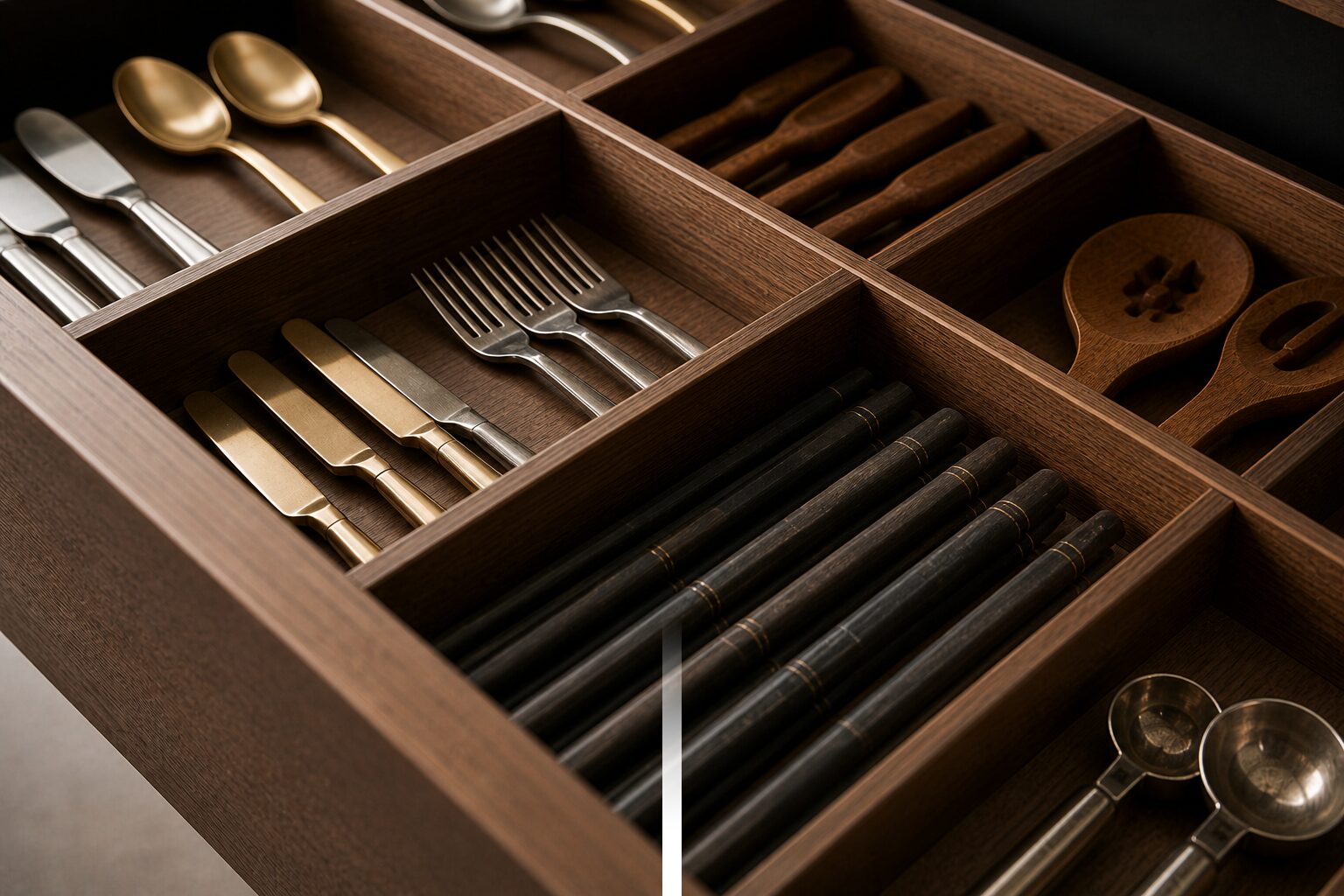
Built-in divisions instead of open compartments
Clear separation between different types of items
Easy visibility at every level
Nothing gets buried. Nothing gets forgotten.
Everything is accessible in a single motion.
Where Shelves and Traditional Storage Still Make Sense
That said, drawer-forward design isn’t for everything.
It requires more planning. More precision.
And a clearer understanding of how the space will be used.
In some cases, traditional cabinetry still makes sense, especially where flexibility or larger storage is needed.
The difference is intentionality.
It’s no longer about filling space. It’s about designing how that space works.
Good design isn’t about adding more storage.
It’s about removing friction from how you live.
Making everyday routines feel faster, clearer, and more intuitive. And often, that starts with something simple.
Luxury home storage is becoming less about adding more space and more about creating better organization. Explore how thoughtful cabinetry and purposeful storage can reduce clutter, create clarity, and make everyday living easier.
Modern kitchens are no longer shaped by one fixed planning rule. Today, kitchen storage design follows how people actually prep, cook, clean, and move through the space, creating a kitchen that feels more intuitive, organized, and effortless to use.
Quiet luxury is not about removing character. It is about creating calm through thoughtful cabinetry, restrained materials, and storage designed around everyday life. This article explores how fewer, more intentional decisions can make a kitchen feel more refined, functional, and lasting.