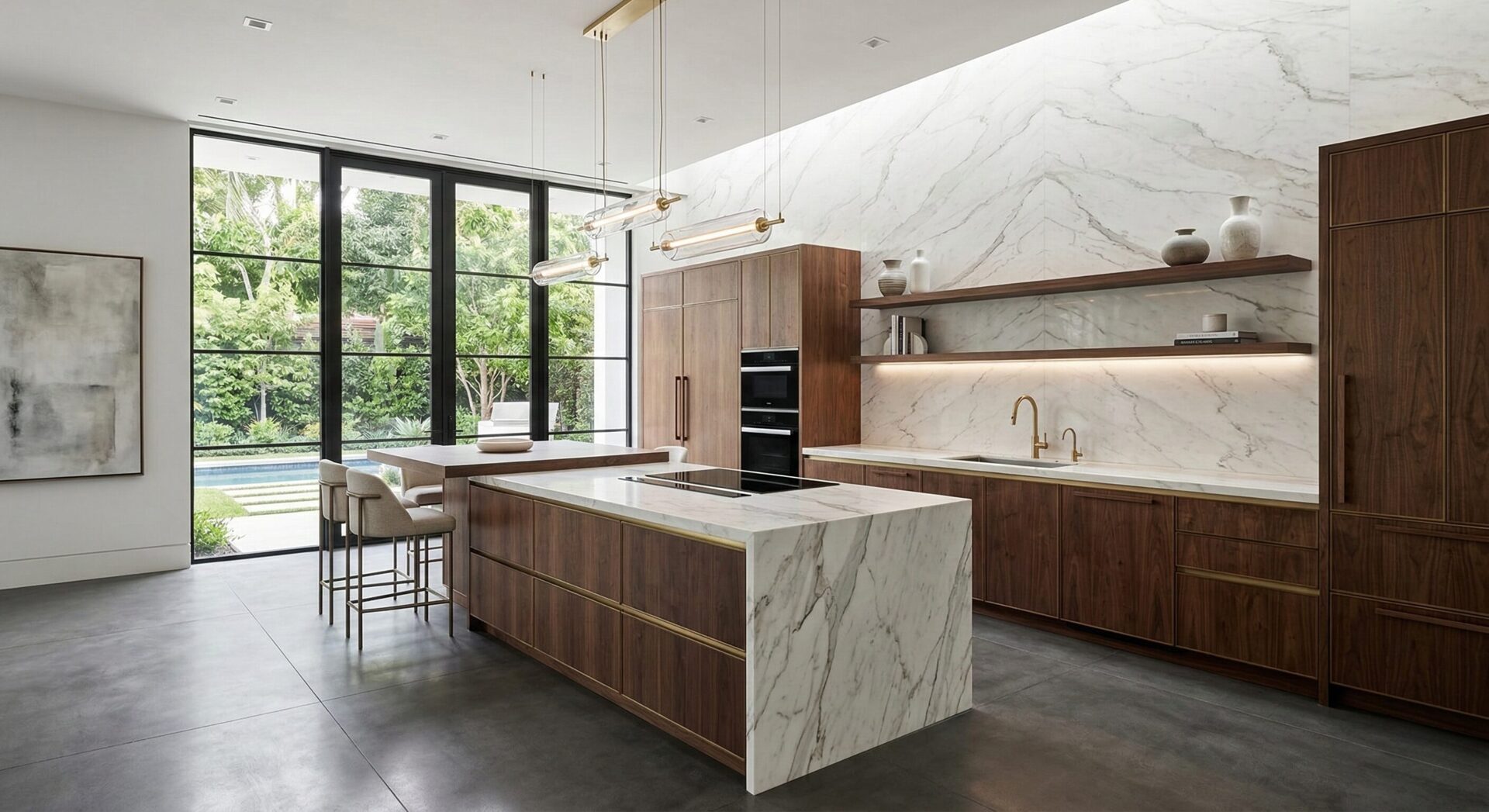
Kitchen design rarely changes overnight.
What often appears as a visual shift is usually the result of deeper changes in how spaces are used and how storage is planned. The gradual move away from upper cabinets is one example of that shift, not a trend, but a reflection of how kitchens continue to evolve.
The Kitchen Has Changed
Are upper cabinets going out of style? Not entirely. Their role is changing. Kitchen design rarely changes all at once.
Most shifts happen gradually, shaped by the way people live, the way homes are planned, and the way designers rethink what the kitchen is meant to be.
Over time, kitchens have shifted.
From closed, functional rooms to open spaces that connect directly to daily life.
As that shift has taken place, cabinetry design has evolved with it.
At Körner, although the brand itself is new, it is built on a foundation with more than three decades in the cabinetry industry. That perspective allows us to look at kitchen design as an ongoing evolution rather than a series of trends.
One of the clearest signs of that evolution is the changing role of the upper cabinet.
A Shift You Can See
Some shifts are easier to understand when you can see them.
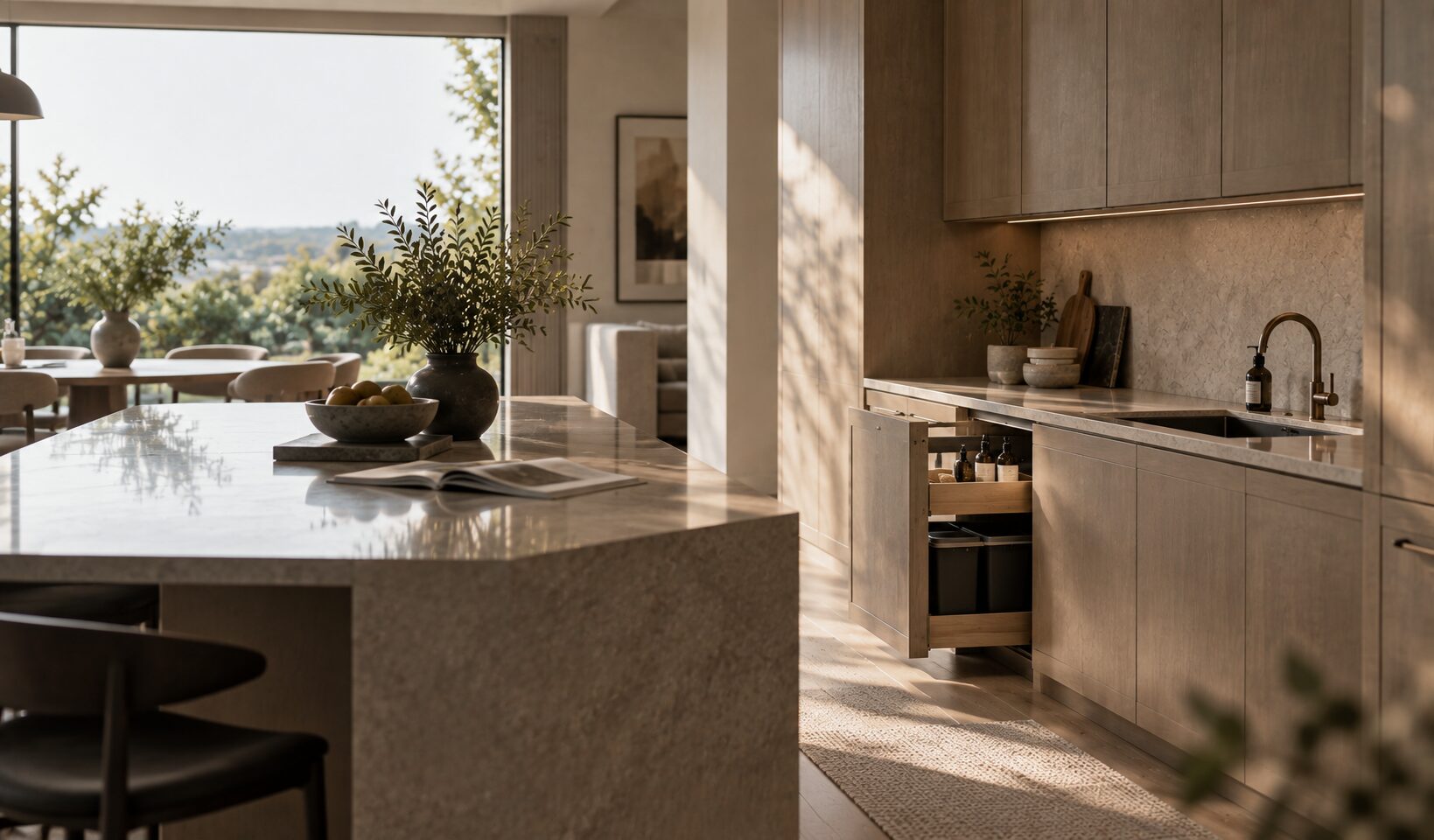
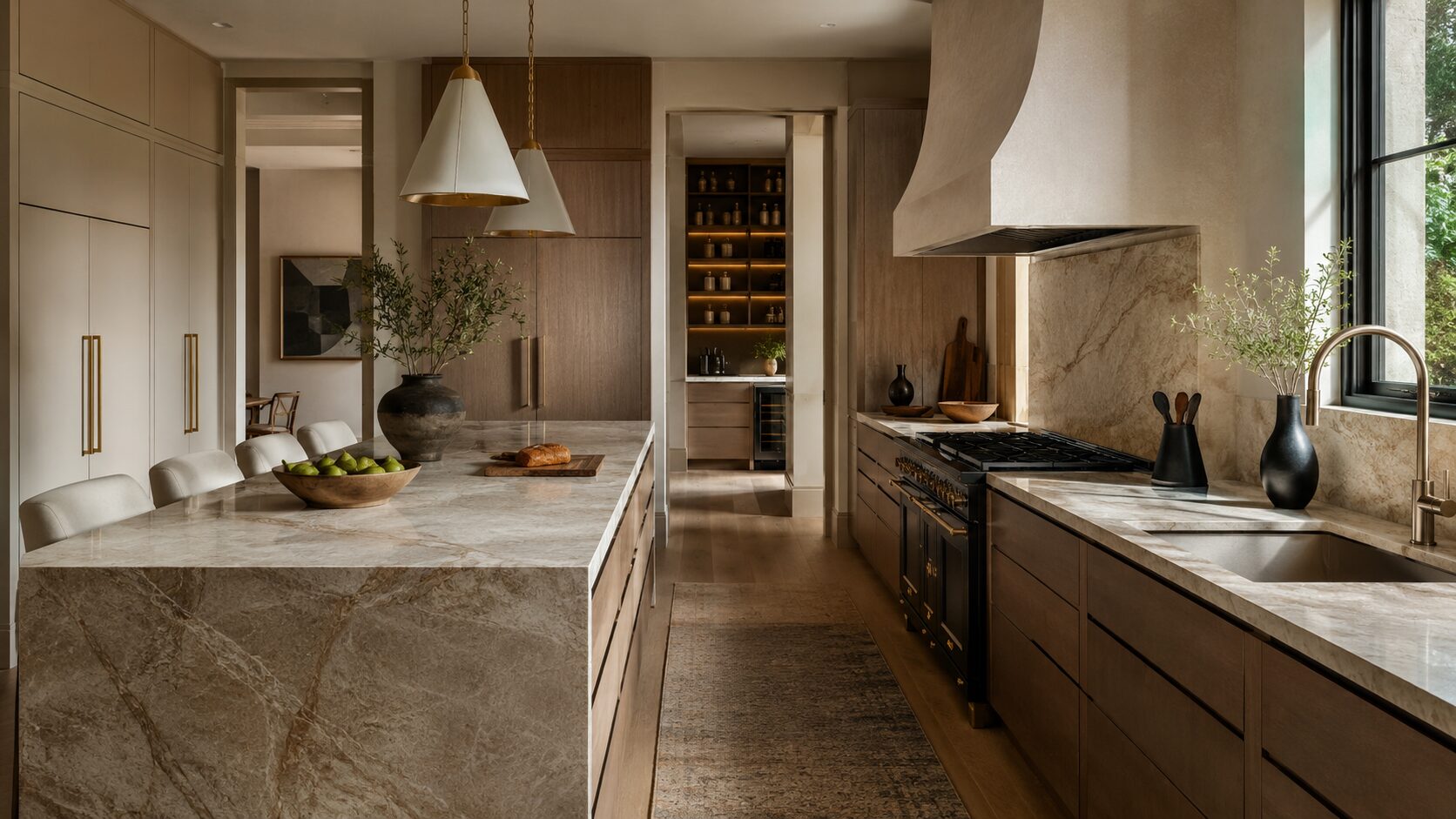
The presence or absence of upper cabinets completely changes how a kitchen feels.
With upper cabinetry, the space often appears more enclosed and visually structured. Without it, the room begins to open up, allowing materials, light, and vertical space to take on a more prominent role.
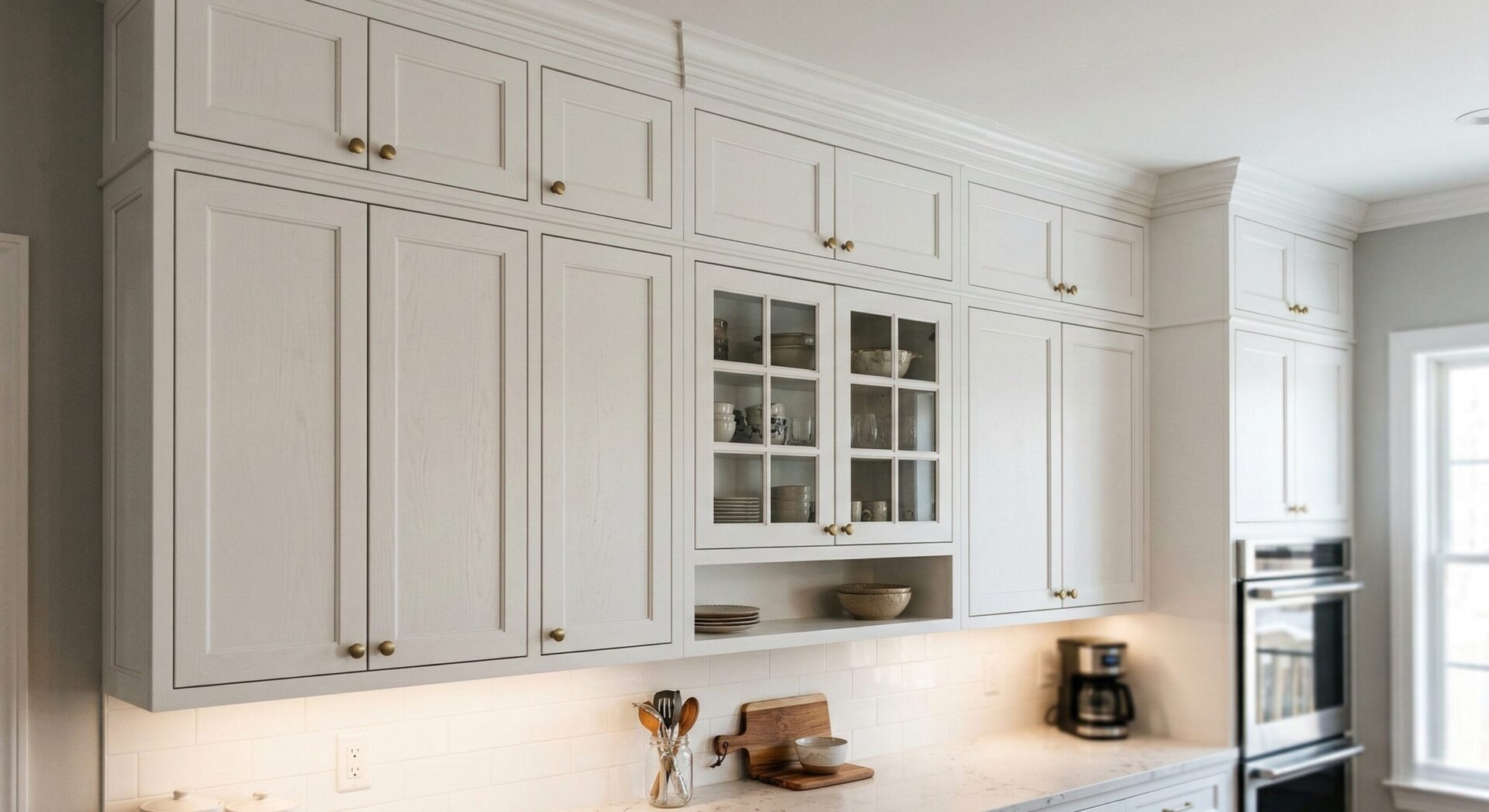
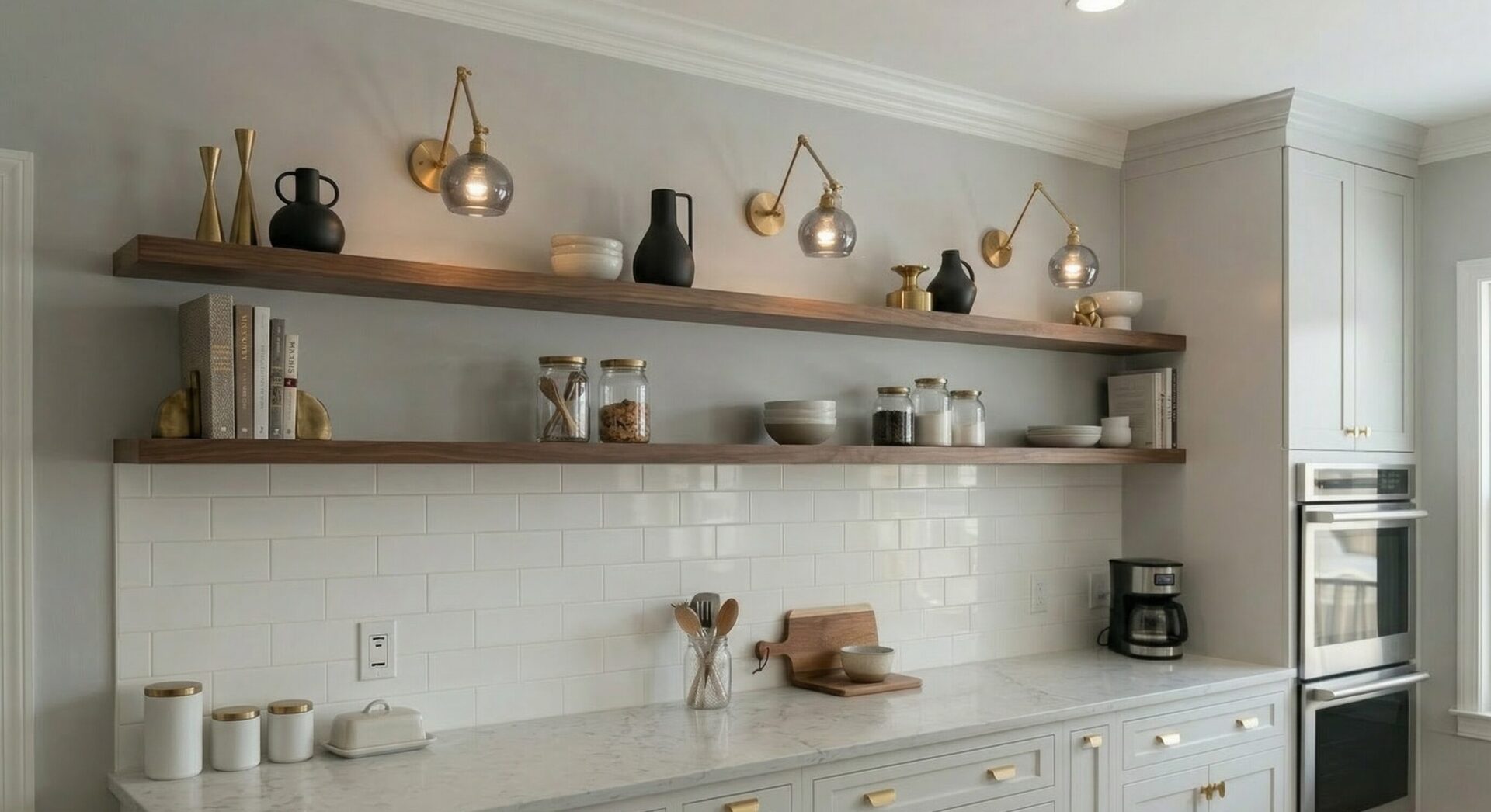
When upper cabinets are reduced or removed, the wall is no longer defined primarily by storage. Instead, it becomes part of the architecture.
This is often where kitchens begin to feel less like workspaces and more like living environments.
This shift often relies on alternative storage systems designed to replace traditional upper cabinetry.
From Maximum Storage to Better Storage
Earlier kitchen planning centered on capacity. The goal was simple: to fit as much storage as possible into the available space.
Upper cabinets became the default solution because they made efficient use of vertical surfaces.
Modern kitchens approach the problem differently.
Instead of maximizing volume alone, designers increasingly focus on usability. Storage is expected to feel intuitive and aligned with how people move through the kitchen.
This is one reason drawers have become central to contemporary cabinetry. They allow contents to be seen immediately and accessed more naturally.
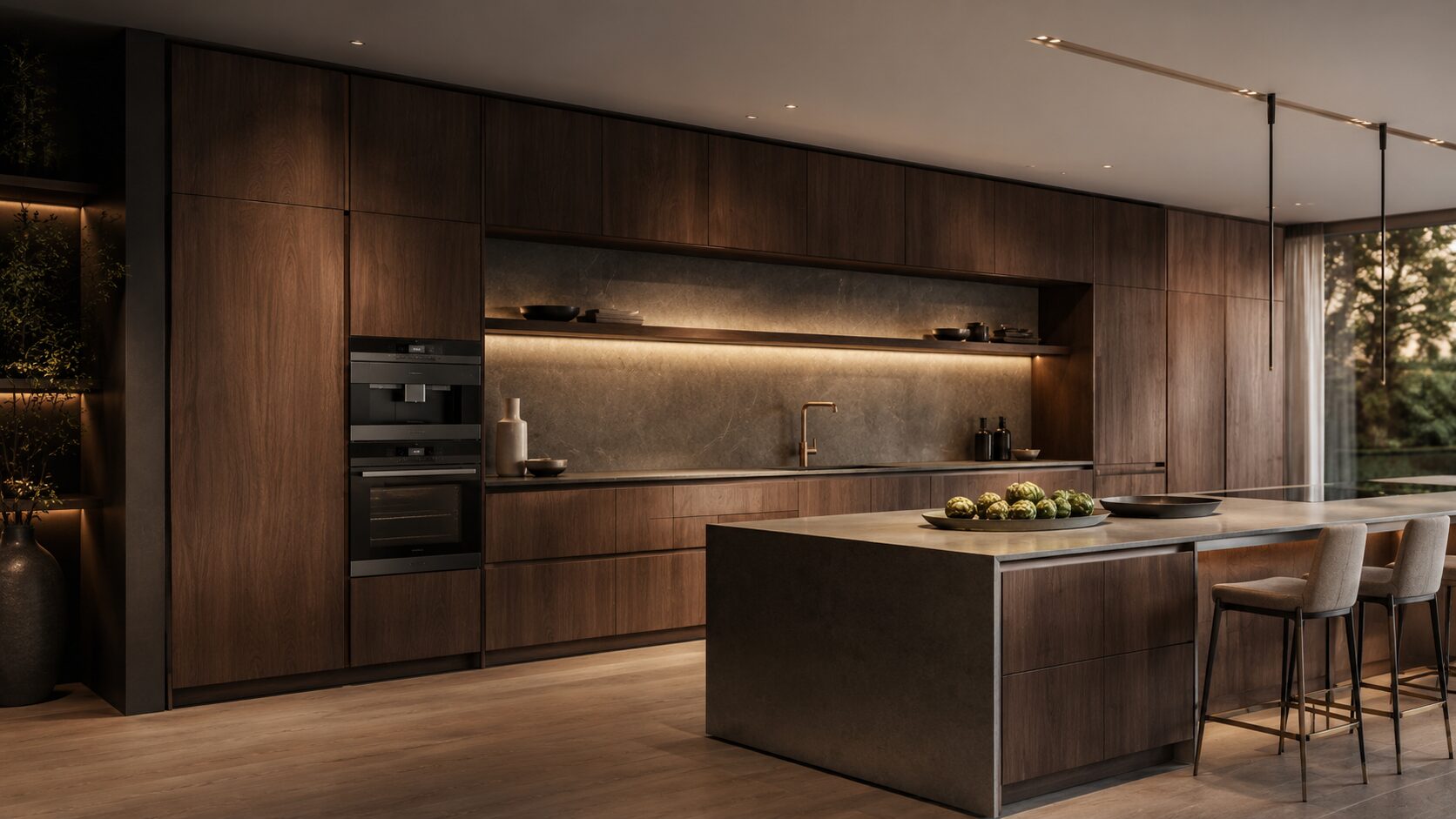
Tall cabinetry also plays a larger role, consolidating storage while keeping the kitchen visually calm.
Together, these approaches form more integrated storage solutions designed to replace traditional upper cabinetry.
Many of these approaches are part of more integrated storage solutions designed to replace traditional upper cabinetry.
What disappears is not storage itself. What disappears is the assumption that storage must always live above the counter.
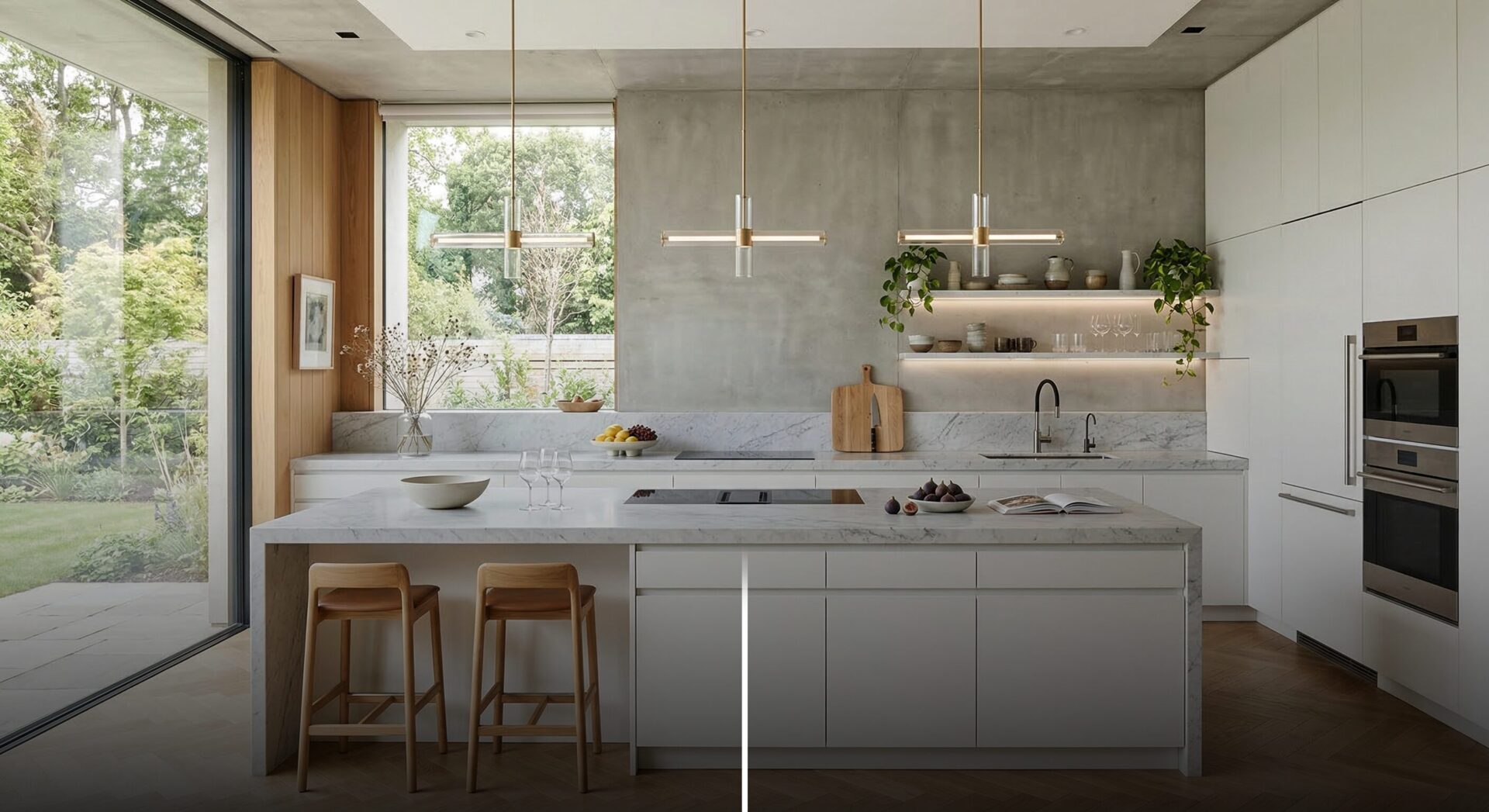
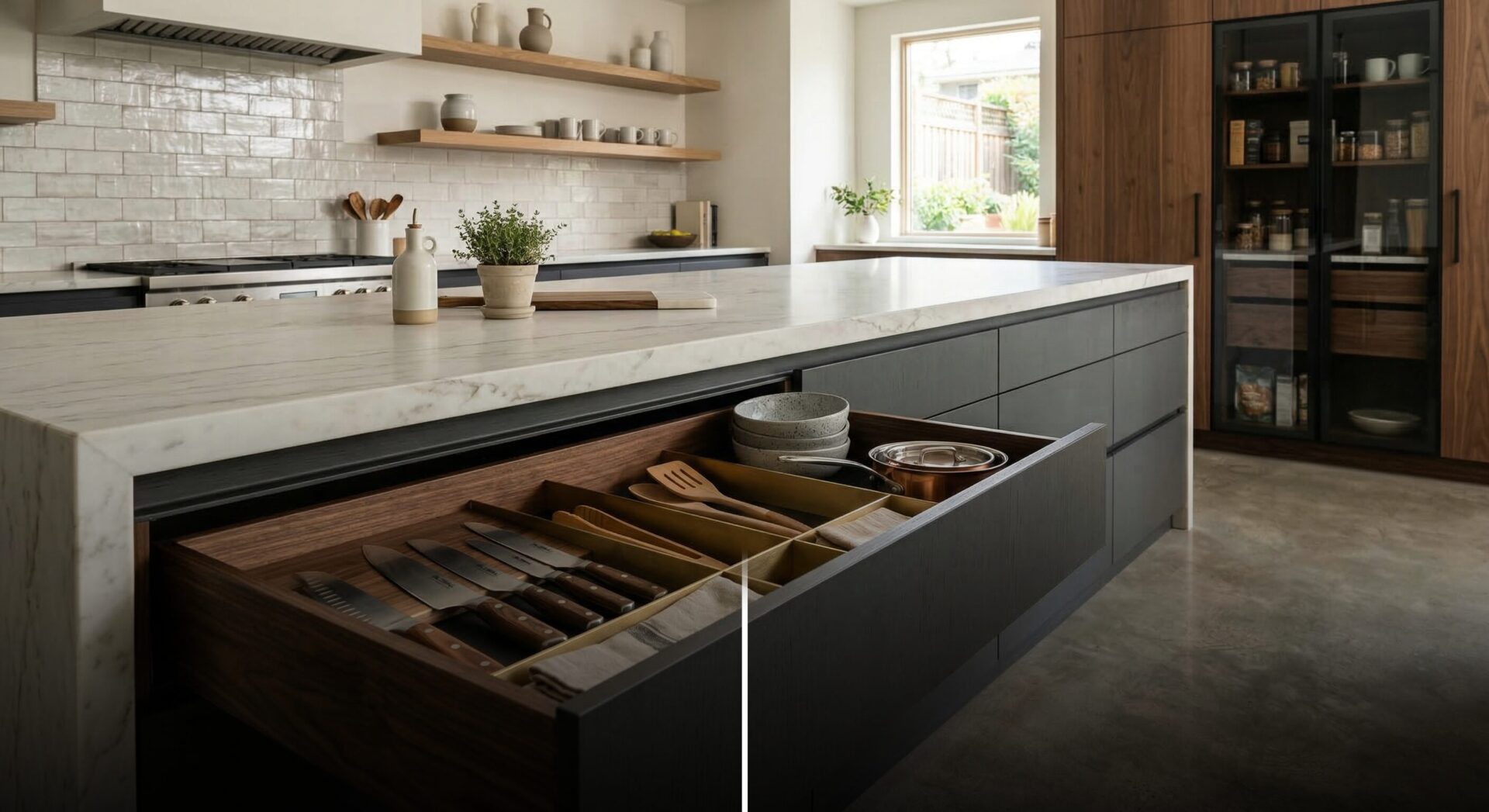
Removing upper cabinets changes the visual balance of a kitchen almost immediately.
Without large banks of cabinetry across every wall, the space feels lighter, more architectural.
Materials become more visible, and lighting becomes part of the design rather than something hidden beneath cabinets.
This reflects how kitchens function today. They are no longer isolated workspaces, but part of the larger living environment.
“More and more clients are asking for kitchens that feel open and architectural, not just functional.”
“It’s less about filling every wall and more about creating balance in the space.”
Cabinetry remains essential, but it is used more selectively. The result is a space that feels both functional and composed.
An Evolution, Not a Rejection
Upper cabinets are not disappearing entirely. In many kitchens, they remain an important part of the design.
What is changing is their role within the kitchen.
Rather than being treated as a default element, upper cabinetry is now considered more carefully within the overall composition of the kitchen.
For those who have spent decades around cabinetry, this shift feels less like a trend and more like a natural evolution.
Good storage has never been about adding more cabinets.
It has always been about designing cabinetry that works with how people actually live.
At Körner, we see cabinetry as part of a larger evolution in how people live.
The goal is not simply to follow what is new, but to design spaces that continue to work over time.
Cabinetry, reconsidered
At Korner, cabinetry is not treated as a default, but as part of a larger composition.
Each space is shaped with intention to adapt to real living.